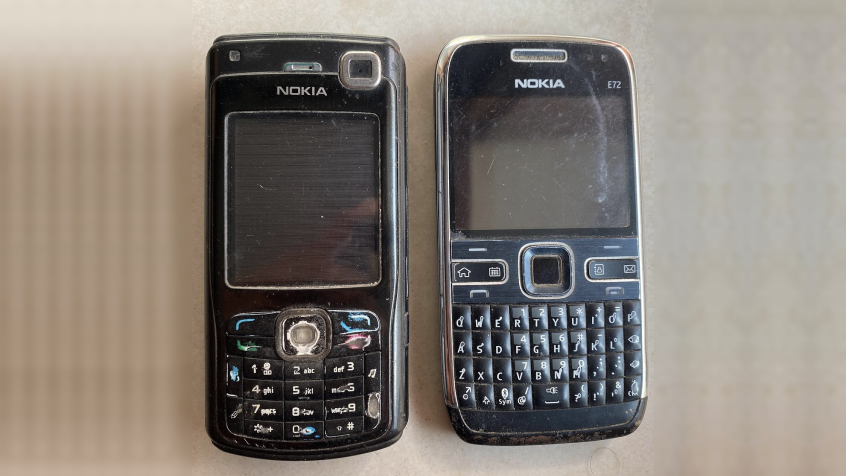
It was 2007 when I first started and was introduced to the mobile platform at Hexolabs (http://www.hexolabs.com). At that time, I was working on Symbian devices (Nokia N70 — my phone at that time was also the test device for the games we built).
176 x 208
It was the golden era for Nokia, with the largest market share, and it was doing its best in India.
Later came the days of the iPhone and Nexus phones powered by Android. Enter Samsung — and things have changed a lot since then. I'm still looking at screen resolutions and sizes almost every day at work. As someone who has been working on small screens for years, the number 176 x 208 has been growing ever since, but I’m still faced with the same question:
What are we designing for?
Yes, I understand fluid design is the solution. And yet, many more questions remain beyond native or not. Is it better to focus on iOS first and then move to Android? Can we use a framework that lets us package into both worlds? But screen resolution is still probably my favorite problem to think about.
I still remember what Mr. Raja Manohar, Founder of Hexolabs Interactive, used to say even before Nokia lost its market share:
"Nokia should focus on one smartphone"
or at least a single screen size/resolution that would make it easier for app developers to work on.
This was when the best phones in the market were still the Nokia E72 and N90.
Here we are now with crazy sizes and resolutions:
Samsung's most expensive tablet at the time — Note 800: 1280 × 800
iPad 3: 2048 × 1536
Micromax Funbook P500: 1024 × 600 — 600??
I can’t stop wondering about a world where a product category has just one single screen resolution. What would that even mean? I don't fully understand, but things would probably be a lot simpler — right from choosing which phone to buy.
What do you guys think?